

The happiest retirees I know aren’t the ones who filled every hour — they’re the…
The guilt of doing nothing may be the last productivity trap we need to escape.

Popular topics
How software, platforms and workplace systems change attention, performance, careers and everyday digital life.
133 articles · Work & Digital Life
The guilt of doing nothing may be the last productivity trap we need to escape.
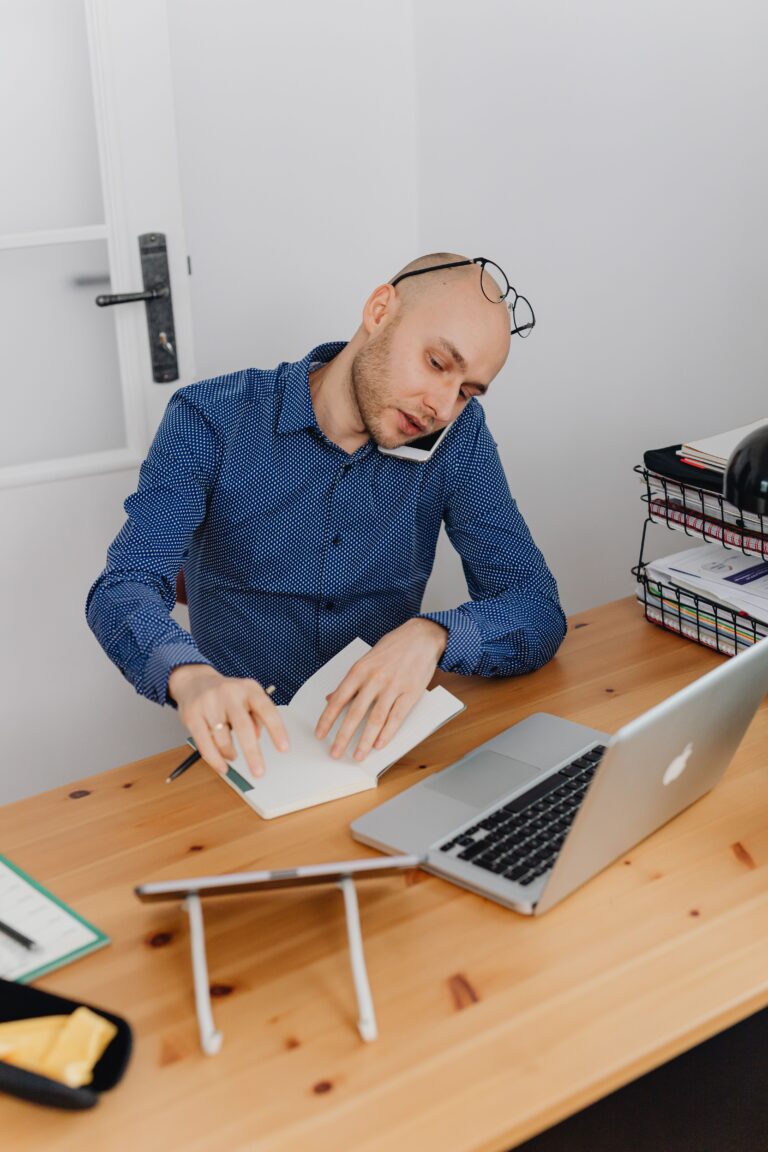
Gloria Mark’s field studies chart a fall from minutes to seconds on a single screen, but the result measures digital switching rather than a biological limit on thought.

The dream of perfect equilibrium between work and life crumbles under scrutiny—and the real problem isn't your time management skills.

The most quoted argument against overwork rests on a surprisingly thin foundation, collapsing a palliative carer's personal observations into universal truth.

KPMG’s hypothetical job profiles suggest close workplace relationships can outweigh a large salary gap, but the result is not evidence that friendship can replace fair pay.

Leisure-guilt, contingent-self-worth and conditional-regard research suggests that for some people, productivity becomes evidence of acceptability rather than simply a way to complete work.

The Illinois Valedictorian Project found durable academic and professional success, but class rank was a stronger signal of mastering systems than of who would later reinvent them.

The wellness industry's gentlest trend isn't just prettier than boot-camp mornings—it's actually backed by science, though most of what people do in either camp is performative.

The wellness advice to ignore external success overlooks a harder truth: your foundation matters before your philosophy does.

Australian time diaries found retired men spending less time with friends and relatives outside home while retired women spent more, but the cross-sectional design needs care.

University of Kansas research suggests close friendship takes more than 200 hours, with voluntarily chosen leisure time carrying more weight than obligatory contact at work.
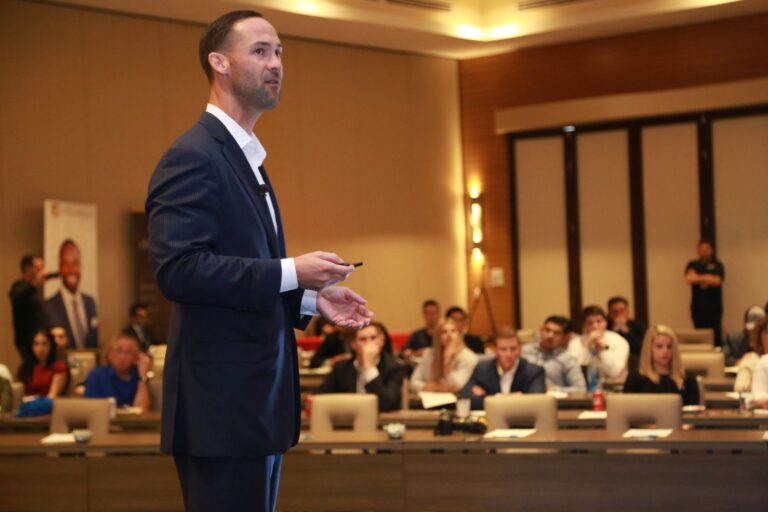
A large TED analysis and two preregistered experiments suggest that hand movement helps most when it visually represents the words, improving understanding and perceived competence.