
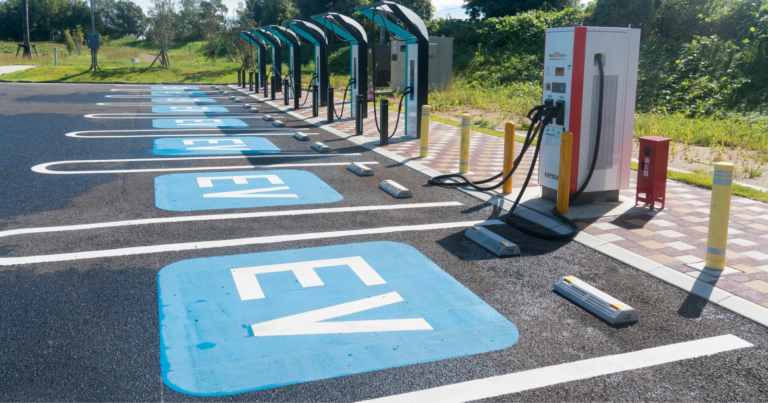
The US fast-charging network quietly stopped being terrible, and the data shows…
The EV industry solved its most glaring problem just as consumers decided they don't want electric cars anyway.

Technology, AI, capital and institutions, examined through who builds systems, who controls them and who benefits.
11,488 articles · Technology & Power
The EV industry solved its most glaring problem just as consumers decided they don't want electric cars anyway.

Antonio Damasio's patients had intact IQs, intact memories, and no ability to make a decision. Their brain injuries revealed a truth neuroscience is still catching up with: emotion is not the opposite of reason — it is the mechanism that makes reason work.

Apple has allegedly filed a trade secrets lawsuit against OpenAI that could complicate the artificial intelligence company's path to a public listing.
The company says revenue growth justified the step-up. Some limited partners aren’t sure paper markups should count for as much as they do.
The transparency obligations are the cheap ones to meet. The expensive, rights-protective rules are the ones that just got more time.

Arlie Hochschild's 1983 concept described the paid smile in an airline cabin. Four decades later, the same unpaid work runs through friendships, families and Slack channels — and the people carrying it are the last to notice they're working.

Uber has agreed to acquire Berlin-based Delivery Hero in a $14.8 billion deal that would extend the combined platform to 99 markets and consolidate the world's largest food delivery business outside China.

Brussels’ preliminary finding could eventually cost Meta up to 6% of its global revenue. But Meta gets to argue back first, and nothing has been decided yet.

A cybersecurity firm built by former employees of the Dutch intelligence services raised €60 million to sell “sovereign” European security — but part of the money behind it is American, a useful reminder of what the label does and does not mean.

A small observational study found associations between microbial diversity and some sleep measures; it could not establish that the microbiome causes better sleep.

In five days in April 1967, a 25-year-old history teacher in Palo Alto turned a classroom question about Nazi Germany into a movement of 200 students — using nothing more than posture rules, a salute, and the pleasure of being told what to do.

The prevailing story about AI in a disaster zone is that it belongs to governments and large NGOs: satellite imagery pipelines at FEMA, damage models at the World Bank, logistics dashboards at the UN. When twin earthquakes reportedly ripped through northern Venezuela last month, that story broke.